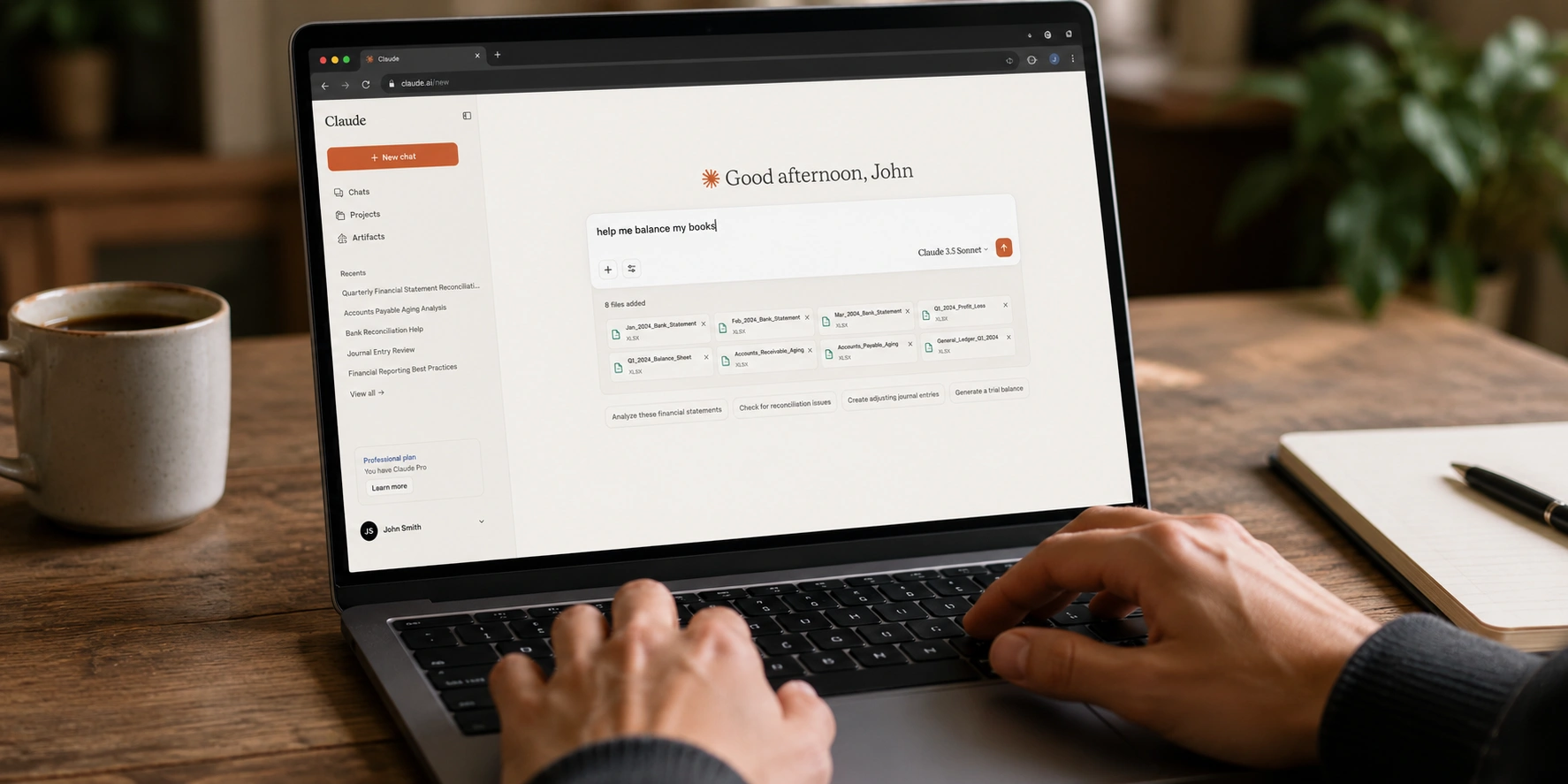
Artificial intelligence has transformed many aspects of modern business, and bookkeeping is no exception. AI-powered tools promise to automate the tedious work of tracking expenses, categorizing transactions, and organizing financial records. But here’s the critical question: can AI actually replace a human bookkeeper? The short answer is no. At least, not as of June 2026. While AI can serve as a helpful starting point for your bookkeeping, the reality is far more nuanced, and relying solely on automated systems can lead to serious financial errors.
TL;DR: AI tools provide a useful foundation for bookkeeping, but lack the ability to catch nuances and context that human bookkeepers understand.
Why You Shouldn’t Make AI Your Bookkeeper
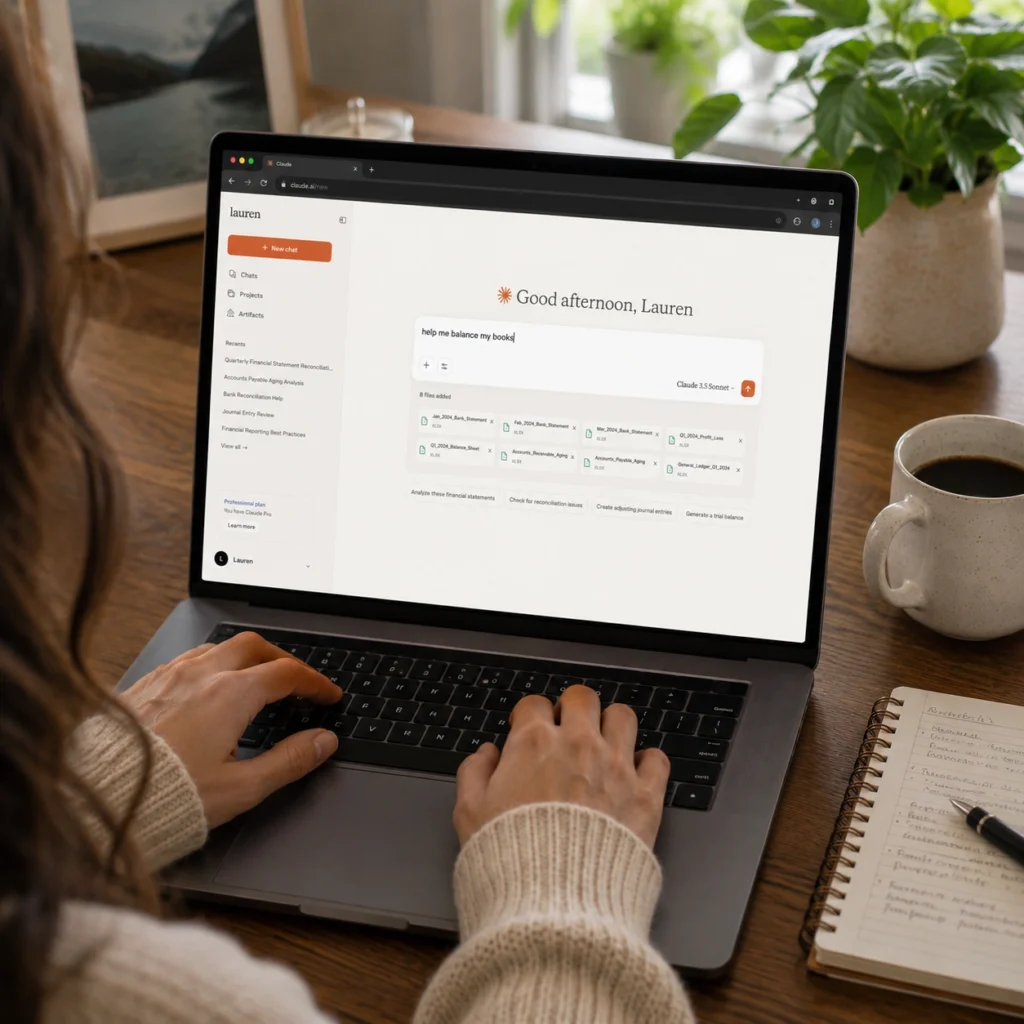
The appeal of AI bookkeeping is obvious. Software can quickly scan receipts, match transactions to categories, and populate spreadsheets without human intervention. This automation saves time and reduces the burden of manual data entry. However, bookkeeping involves far more than mechanically matching numbers to categories. It requires a human touch. It needs contextual understanding, pattern recognition, and the ability to identify transactions that don’t fit neatly into standard categories.
Consider a real, related example we recently encountered with a client. This client is not a business owner, but they mentioned that they were using a personal finance tracker to monitor spending and build awareness of their habits. When they charged their physical therapy sessions to a card, the system saw the clinic’s name and automatically categorized the expense as a restaurant because the business name sounded casual or included language that triggered restaurant classification. A human bookkeeper would immediately recognize this as a medical expense, or be able to callback previous discussions and know exactly how this should be categorized. This is a simple, lower-stakes example since they are not a business owner, but it goes to show how AI needs a human touch when monitoring finances, as it can provide inaccurate data for financial planning.
Similar errors occur when vendors use ambiguous business names, when transactions lack detailed descriptions, or when an expense genuinely falls into multiple categories. An AI system lacks the judgment to ask questions or review context.
The Limitations of Automated Categorization
Bookkeeping software powered by machine learning does get better with use, learning from patterns in your historical data and industry benchmarks, but it remains a tool, not a decision-maker. Machine learning models are built on historical patterns, which means they can reinforce past errors or fail to adapt when your business changes direction.
When you use AI to track your small business expenses, you’re relying on the tool to understand the nature of each charge. Software cannot distinguish between a professional development course in marketing and a purely casual learning expense in video game design. It cannot determine whether a software subscription is a business tool or a personal subscription that was accidentally charged to a business card. These distinctions matter for tax purposes and for understanding your true business costs.
Additionally, AI bookkeeping tools are not always effective at evaluating whether transactions are duplicated, whether amounts seem unusual for that vendor, or whether a transaction aligns with your normal business operations. These red flags require human reasoning and business knowledge.
Ultimately, The Responsibility Falls on You
This shouldn’t come as a surprise, but you are responsible for the accuracy of your financial records. If you rely entirely on AI to book your transactions and errors slip through, the IRS and your accountant will expect you to catch and correct them. You cannot blame a bookkeeping software or claim that “Claude” or another AI tool made the mistake. When your books are inaccurate, the liability is yours.
This is why working with our team or hiring a professional bookkeeper makes sense. JBS provides bookkeeping services to businesses, and we understand the landscape of accounting errors and how they create downstream problems. A skilled bookkeeper reviews, applies judgment to ambiguous transactions, and flags items that don’t make sense.
Partner With JBS, Nationwide Bookkeepers Who Understand the Details

Whether you’re working with AI tools on your own or you’re seeking professional support, the goal is the same: books that are accurate, compliant, and useful for growing your business. JBS provides tax and bookkeeping services to freelancers, small business owners, and real estate investors who want to stop worrying about whether their numbers are correct.
Reach out to learn how we support business owners at every stage of growth.
Note: This article is for educational purposes only and does not constitute tax advice. Tax rules, figures, and percentages are subject to change and this article may not be fully up to date; visit IRS.gov for the most current information and consult a tax professional for guidance specific to your situation.