The recently passed One Big Beautiful Bill (OBBB) introduces the most significant changes to the U.S. tax code since 2017. Whether you’re a taxpayer, business owner, or parent, these changes could directly impact your bottom line. Toby Garcia, a partner at JBS Corp, recently explained the new law in a clear, no-nonsense video that breaks down what matters most.
Below is a simplified summary of the key provisions in OBBB and what they might mean for you.

TL;DR: The One Big Beautiful Bill brings major tax changes for individuals, families, and businesses, locking in lower tax rates, expanding deductions, and introducing new tools like the Trump Account. Whether you’re a taxpayer or entrepreneur, understanding these updates can help you save money and make smarter financial moves.
Want to watch a video instead of reading this article? Check out our quick, under 10-minute video breakdown of the One Big Beautiful Bill.
What Happens to Individual Tax Rates Under OBBB?
One of the biggest pieces of the bill is the extension of lower individual tax rates that were originally introduced in 2017.
- The top rate remains at 37% instead of rising to 39.6%.
- The 25% tax bracket remains at 22%.
- The 15% bracket drops to 12%.
These reductions were scheduled to expire in 2025, but OBBB makes them permanent, which is estimated to return more than $2 trillion to taxpayers over the next decade.
What About the Standard Deduction?
Over 90% of taxpayers already use the standard deduction. OBBB locks in the higher standard deduction amounts from the 2017 tax law, which again translates to long-term savings. This provision alone could save taxpayers another $1 trillion over ten years.
Does The Bill Change How Much I Can Deduct for State and Local Taxes?
Yes. OBBB increases the SALT deduction cap – which has been a point of frustration for many in high-tax states.
- The SALT cap jumps from $10,000 to $40,000 for those with incomes up to $500,000, effective immediately, and this new cap is available through 2029.
- This is especially helpful for people in states like New York, California, and New Jersey where local and property taxes tend to be higher.
Are There New Tax Breaks for Cars or Major Purchases?

Surprisingly, yes. OBBB introduces a new car loan interest deduction:
- You can now deduct up to $10,000 in car loan interest.
- To qualify, the car must be new and American-made.
- This deduction is temporary (2025–2028), and you don’t have to itemize to claim it.
- Income limits apply, so not everyone will be eligible.
What’s Changing for Families and Seniors?
OBBB includes several updates designed to support families and older Americans.
What’s Happening With the Child Tax Credit?
- The Child Tax Credit was set to drop to $1,000 per child in 2025.
- OBBB raises and extends it to $2,200 per qualifying child.
- The income phaseouts stay the same: $200,000 for single filers, $400,000 for married couples.
What About Seniors?
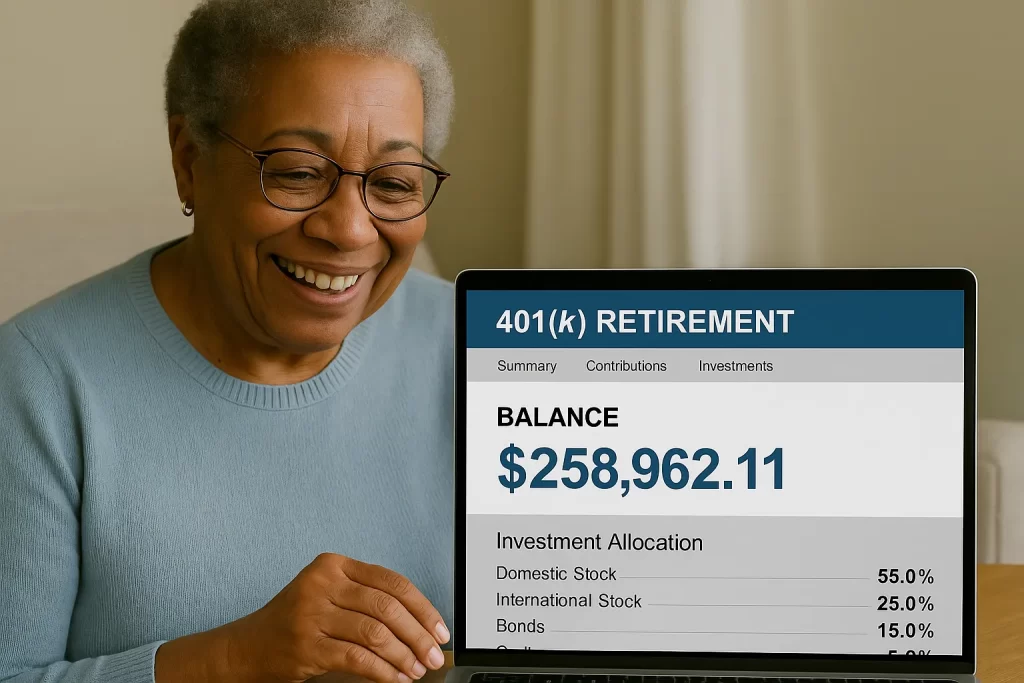
The senior tax deduction is getting a major boost:
- The deduction increases from $2,000 to $6,000 per individual over age 65.
- For a qualifying couple, that’s $12,000 in deductions.
- Income limits still apply, but this increase helps offset the fact that OBBB did not eliminate taxes on Social Security.
Are Tips and Overtime Really Tax-Free Now?
Not exactly, but there are meaningful deductions.
- Overtime income: You can deduct up to $12,500 (single) or $25,000 (married) in overtime wages.
- Tip income: Workers in industries like food service, beauty, and hospitality can deduct up to $25,000 in tips received.
- These deductions lower your taxable income, reducing your overall tax bill.
- However, high earners are phased out: the limit is $150,000 for single filers and $300,000 for joint filers.
- Service professionals like lawyers, doctors, and accountants do not qualify.
What New Retirement Savings Tools Does OBBB Create?
OBBB introduces something completely new: Trump Accounts.
- Starting in 2025, every child born in or after that year will receive a pre-funded retirement account.
- These are government-backed and aimed at helping young people begin building wealth early.
- This could be the beginning of a shift toward federal retirement systems to help address long-term Social Security challenges.
What About Existing Retirement Strategies?
High-income earners using backdoor Roth IRAs may lose a key tool.
- OBBB places new restrictions on post-tax contributions to traditional IRAs.
- This may eliminate backdoor Roth conversions for many people.
- If you’re using this strategy, it’s important to talk with your financial advisor to review your options before 2025.
How Does OBBB Impact Business Owners?
OBBB includes several pro-business provisions designed to encourage growth and reinvestment.
Is The Qualified Business Income Deduction Extended?

Yes… permanently.
- The QBI deduction allows qualifying business owners to deduct 20% of their net income.
- Example: If your S-Corp earns $150,000 in profit, you may deduct $30,000.
- The income thresholds to qualify have been raised by $25,000–$50,000 depending on your filing status.
- More business owners may now be eligible, and some may consider restructuring their business to take advantage of it.
What About Depreciation?
OBBB restores 100% bonus depreciation starting January 19, 2025.
- If you buy new equipment, machinery, or tools, you can write off the entire cost right away.
- This applies to eligible purchases made after the effective date.
- It’s a major incentive for businesses to reinvest in growth and operations.
Is R&D Spending Still Deductible?
Yup! And even better than before.
- The bill reinstates 100% immediate expensing for research and development.
- This allows businesses to write off R&D costs in the same year they’re incurred, instead of amortizing them over multiple years.
- It’s particularly helpful for startups, software developers, and tech-focused businesses.
Are Opportunity Zones Still Around?

Yes, and they’re getting stronger.
- OBBB extends and expands the Opportunity Zone Program.
- Investors can defer or reduce capital gains taxes by reinvesting profits into qualifying low-income communities.
- It’s a tool that encourages social impact investing while offering generous tax benefits.
Final Thoughts: What Should I Do Next?
The One Big Beautiful Bill is massive, but the real question is how you respond to it.
Whether you’re a parent, employee, investor, or business owner, there are strategies within this bill that can help you lower your tax burden and build wealth. But not every provision will apply to your situation.
This is where tax education and professional guidance come in. You don’t need to master the whole tax code, you just need to understand how the right moves can support your goals.
JBS Corp is releasing more in-depth breakdowns of each section of OBBB, so stay tuned for future articles and videos that dig deeper.