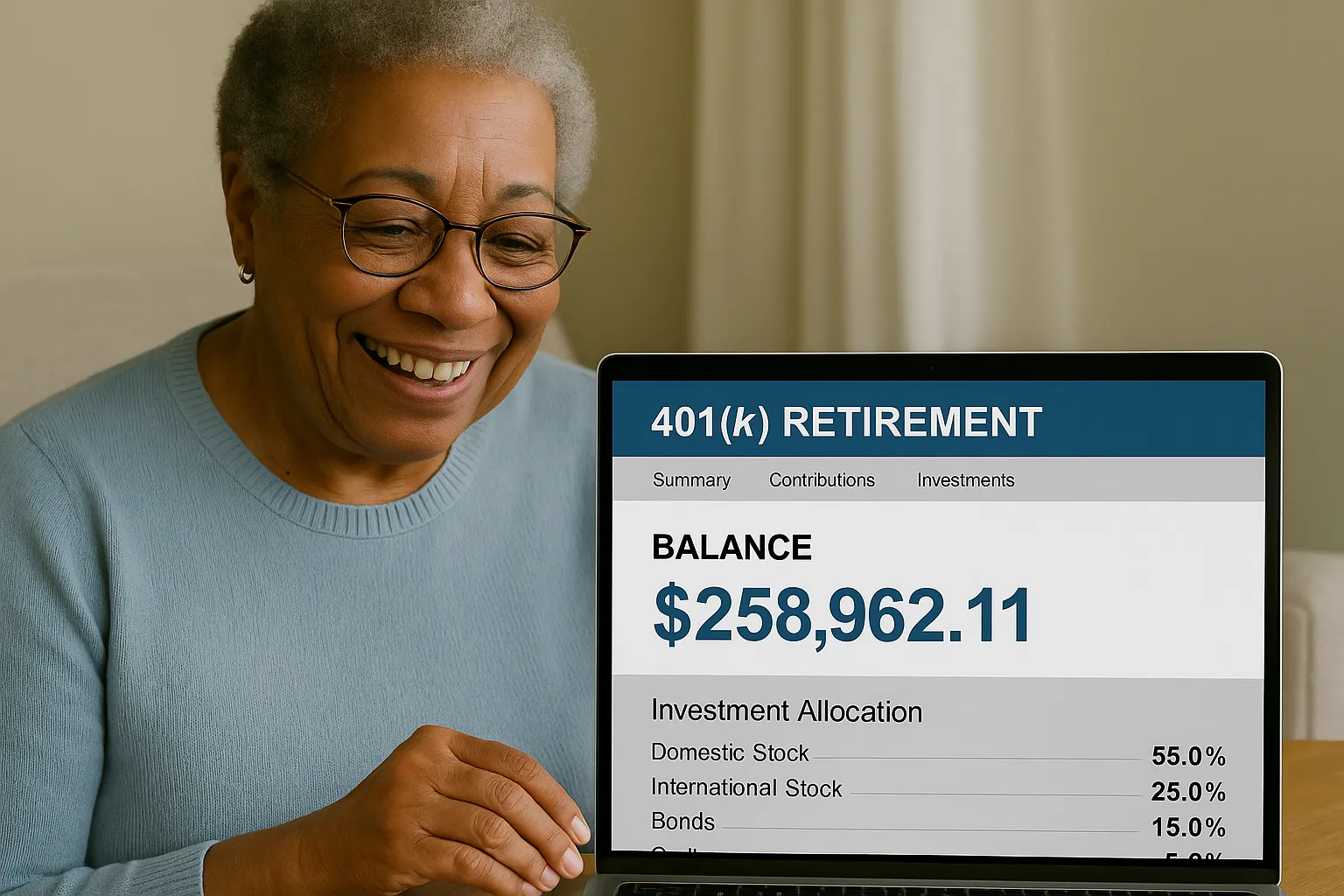
Not only does giving to charity support a good cause, but it also offers meaningful tax advantages to individuals aged 70½ or older. This Qualified Charitable Distribution (QCD) allows you to donate directly from your IRA to a qualified charity, helping you reduce your taxable income and meet required minimum distributions (RMDs) at the same time.
Here’s what you need to know about how QCDs work, their benefits, and how to take advantage of them.
Too Long; Didn’t Read
- A Qualified Charitable Distribution is a direct transfer of funds from your IRA (Individual Retirement Account) to a qualified 501(c)(3) charitable organization
- Starting at age 73, you’re required to take annual withdrawals from your IRA, called Required Minimum Distributions (RMDs). QCDs count toward your RMD but aren’t taxable.
- If you’re over 70½ and have an IRA, it’s worth exploring whether a QCD fits into your financial plan. A tax advisor or financial planner can help you strategize the best approach.
What Is a QCD?
A Qualified Charitable Distribution is a direct transfer of funds from your IRA (Individual Retirement Account) to a qualified 501(c)(3) charitable organization. Unlike regular withdrawals, QCDs are excluded from your taxable income, even if you don’t itemize deductions.
To qualify:

- You must be 70½ years or older at the time of the donation.
- The distribution must come from a traditional IRA (Roth IRAs may qualify in rare cases, but it’s uncommon).
- The charity must be a qualified nonprofit (most U.S. public charities qualify; donor-advised funds and private foundations typically do not).
- You can donate up to $108,000 per year, per individual (as of May 2025).
If you’re married and both you and your spouse have IRAs, each of you can contribute up to $108,000 via QCDs annually.
Why Use a QCD?
1. Tax-Free Giving
A QCD is not included in your adjusted gross income (AGI), which can be a big deal, especially if you’re close to income thresholds that impact Medicare premiums or Social Security taxation.
2. Satisfy RMD Requirements
Starting at age 73, you’re required to take annual withdrawals from your IRA, called Required Minimum Distributions (RMDs). QCDs count toward your RMD but aren’t taxable. That means you can fulfill the requirement and support a cause you care about, without the tax hit.
3. No Need to Itemize
Most taxpayers no longer itemize deductions due to the increased standard deduction. A QCD provides a tax benefit outside of itemizing, which is something regular charitable donations can’t do under standard deduction rules.
How to Make a QCD

To complete a QCD, you need to instruct your IRA custodian (like Fidelity, Vanguard, or Charles Schwab) to send the funds directly to the qualified charity. If you withdraw the funds yourself first, they’ll be treated as taxable income, even if you donate them later.
It’s also important to:
- Keep clear documentation of the transaction.
- Ensure the charity provides an acknowledgment letter for your records.
- Notify your tax preparer that a QCD was made, so it’s reported correctly.
Final Thoughts
Qualified Charitable Distributions are a win-win: you get to support meaningful causes and potentially lower your tax burden. They’re especially useful for retirees who don’t need their full RMD for living expenses or want to give more tax-efficiently.
If you’re over 70½ and have an IRA, it’s worth exploring whether a QCD fits into your financial plan. A tax advisor or financial planner can help you strategize the best approach.
Have questions about how to use QCDs effectively or want help coordinating donations from your IRA? We’re here to guide you every step of the way.
How JBS Can Help

At JBS, we specialize in tax strategy for business owners and employees alike. Our experienced team understands the ins and outs of QCDs and how they can be used to maximize your financial impact while minimizing your tax liability. Whether you’re navigating RMDs, exploring charitable giving options, or simply want a second opinion on your tax plan, we’re here to help.
Let us show you how smart giving can also be smart planning.
Reach out to our team today to see how a QCD could work for you.