Financial planning and analysis (known across the finance world simply as FP&A) is the function that turns a company’s raw numbers into decisions leadership can act on. For small business owners and real estate investors used to reviewing a profit and loss statement after the fact, FP&A can sound like a service reserved for large corporations with dedicated finance departments.
In practice, FP&A is just as valuable for a growing business planning its next hire, its next property purchase, or its next slow season. JBS provides financial planning and analysis services to business owners, real estate investors, and growing companies that want a clearer view of where their money is headed.
TL;DR: Financial planning and analysis (FP&A) is the forward-looking counterpart to bookkeeping and controller work: it takes accurate financial records and turns them into budgets, forecasts, and reporting that guide real business decisions.
What Is Financial Planning And Analysis?

Financial planning and analysis is the process of using a company’s financial data to build budgets, forecast future performance, and measure the gap between what was planned and what actually happened. Where bookkeeping and accounting look backward to record what occurred, FP&A looks forward, using that historical data as the foundation for decisions about hiring, pricing, expansion, and cash management.
At JBS, our FP&A team works alongside clients’ existing bookkeeping and controller functions rather than replacing them. The goal is a complete financial picture: accurate records on one side, and a forward-looking read on what those records mean for the business on the other.
What Does Financial Planning And Analysis Do?
Financial planning and analysis connects a business’s day-to-day numbers to its longer-term goals through a few core activities.
Budgeting And Forecasting
FP&A builds the budget a business operates against and updates forecasts as new information comes in. Rather than a static document created once a year, a working forecast gets revisited monthly or quarterly so leadership can adjust before a problem becomes urgent.
Variance Analysis
Once actual results come in, FP&A compares them against the budget or forecast and explains why the numbers moved. A revenue miss caused by a slow month reads very differently from one caused by client churn, and variance analysis is what separates the two.
Cash Flow Planning
FP&A projects when cash will come in and go out, which matters as much for a seasonal business as for one carrying debt or planning a major purchase. This work pairs closely with the question of how much operating cash a business should hold in reserve at any given time.
Reporting For Decision-Making
FP&A packages financial data into reports that owners and executives can actually use: dashboards, board decks, and summaries built around the metrics that matter for the decisions at hand, rather than a raw export of every account in the general ledger.
FP&A Vs. Controller: What Is The Difference?
Business owners often hear “controller” and “FP&A” used in the same conversation and assume they are the same role. They serve different purposes. A controller owns the accuracy of the books: reconciliations, monthly close, financial statement preparation, and compliance with accounting standards. FP&A takes those completed financials and builds forward-looking analysis on top of them, including budgets, forecasts, and scenario planning.
A useful way to think about it: the controller function answers “what happened,” and FP&A answers “what should we do next.” Many growing businesses need both functions working together, which is one reason JBS structures its outsourced controller services to coordinate directly with its FP&A team rather than operating as separate engagements.
Why Outsource Financial Planning And Analysis?

A full-time FP&A hire is a significant expense for a small or mid-sized business, and the role often does not need to be full time until a company reaches a certain scale. Outsourcing financial planning and analysis services gives a business access to the same budgeting, forecasting, and reporting work at a fraction of the cost of an in-house finance department, scaled to the size of the business rather than the size of a corporate org chart.
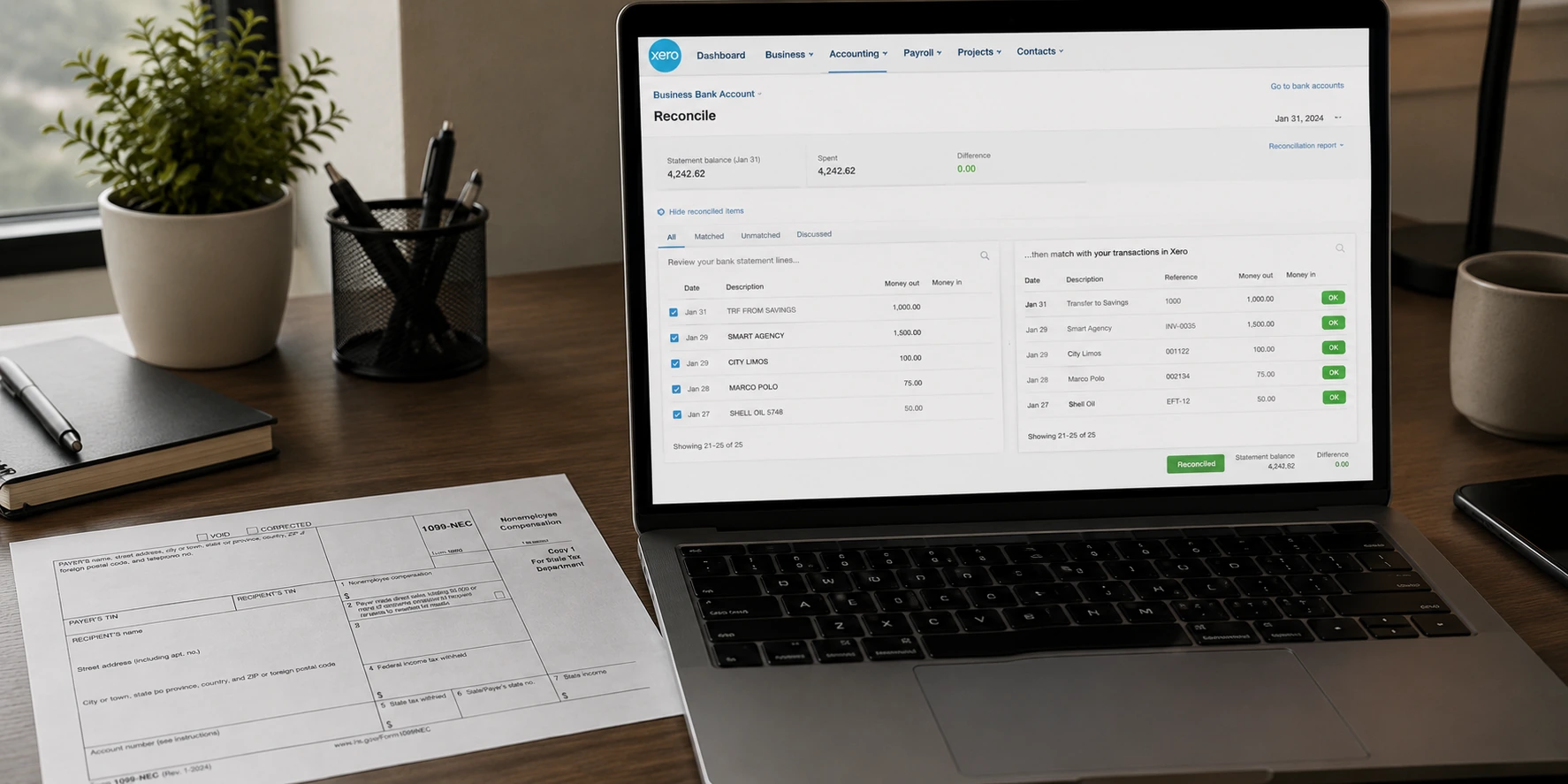
Working from clean, real-time data also matters here. JBS builds its FP&A work on top of the reporting clients maintain in Xero, which keeps forecasts grounded in current numbers rather than a stale export from months earlier. JBS was named Large Firm of the Year in Xero’s 2025 Partner Awards, reflecting the depth of that platform expertise.
For a small business owner trying to decide whether to open a second location, or a real estate investor weighing another acquisition against existing debt service, FP&A services provide the modeling and analysis needed to make that decision with real numbers behind it rather than a gut sense of the business’s finances.
JBS provides financial planning and analysis services alongside its bookkeeping, controller, and tax offerings, giving clients one team that understands both the historical record and what it means going forward. Businesses ready to build a working budget and forecast can contact our team today to find the right starting point.