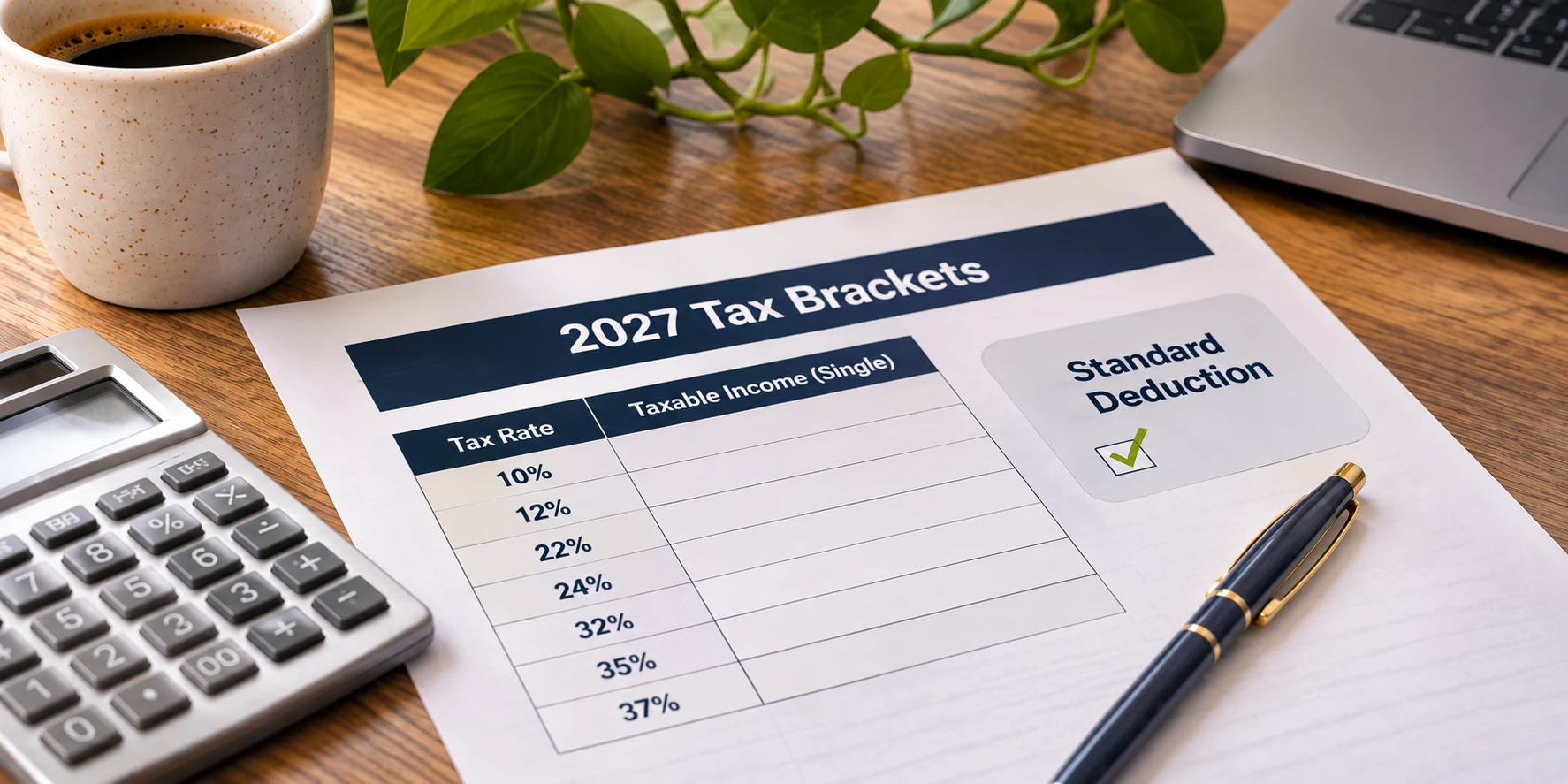
It’s hard to believe we’re in November already. Between wrapping up client projects, holiday plans, and trying to squeeze in a little rest, taxes are probably the last thing on your mind right now. We get it. Still, a little year end tax planning over the next few weeks can make the spring feel so much lighter, and it sets you up with a much clearer picture for 2027 tax planning.
TL;DR: Before December 31, take some time to catch up on your books, check in on your estimated taxes, and look at the timing of your deductible business expenses. Every business is a little different, so what makes sense for you will depend on your income, structure, and goals.
Why Small Business Tax Planning Matters Before December 31
A lot of the decisions that shape your return need to happen before the calendar flips. Once January 1 hits, things like putting new equipment into service, prepaying certain expenses, or setting up some retirement plans for the year may no longer be options. Small business tax planning now just means looking at the full picture while you still have time to do something about it.
Start The Year With Clean Books
Why Bookkeeping For Small Business Comes First
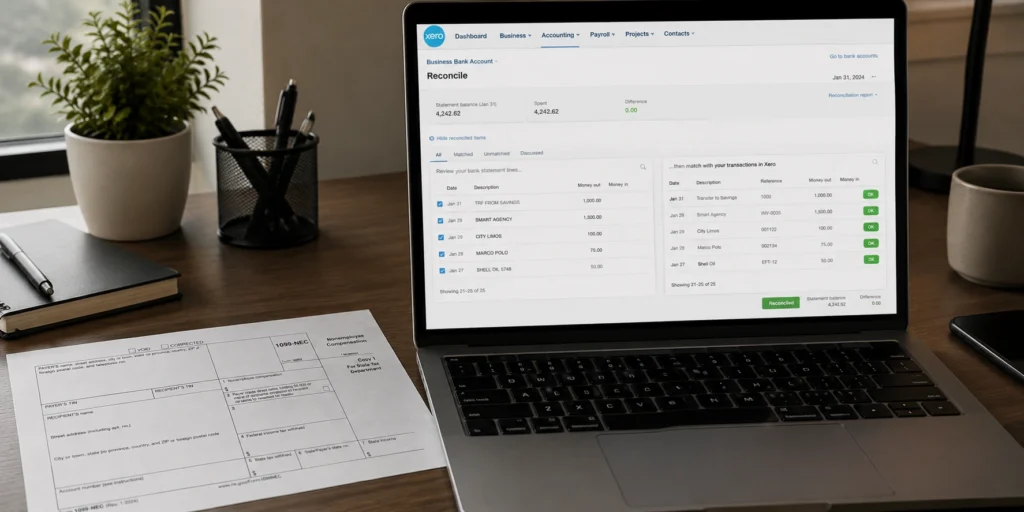
Honestly, everything is easier when your numbers are up to date. If your books have fallen a few months behind (it happens to the best of us), catching up might be the most helpful thing you do this month. Good bookkeeping for small business owners usually comes down to reconciling your bank and credit card accounts, categorizing transactions correctly, and keeping personal and business spending separate. Cloud accounting software like Xero can make this a lot more manageable, since it pulls in your bank feeds and keeps everything organized in one place throughout the year. Our guide to tracking small business expenses has some easy habits to start with, and if you’d love to hand that work off completely, our controller services team can help.
A Simple Small Business Tax Checklist
Here’s a quick year end small business tax checklist to keep handy:
- Profit and loss statement and balance sheet through December 31
- Receipts and invoices for any big purchases or equipment
- Mileage logs and vehicle records
- W-9s for every contractor you paid this year
- Payroll and retirement contribution records
- Confirmation of each estimated tax payment you made
Getting all of this together early makes tax preparation for small business returns so much smoother, for you and for whoever is preparing your return.
Check In On Your Estimated Taxes
If you’re self-employed or own a pass-through business, you’re probably paying quarterly taxes throughout the year. Your last estimated payment for the 2026 tax year is due January 15, 2027, which always seems to sneak up right after the holidays. Now is a good time to compare what you’ve already paid against what your income actually looks like. If the fall was busier than expected, your earlier payments may have come up a little short, and adjusting now may help cut down on underpayment penalties. The IRS page on estimated taxes breaks down the safe harbor rules and ways to pay. For 2027, setting aside a set percentage of every payment that comes in can take a lot of the stress out of it.
Take A Closer Look At Deductible Business Expenses
Common Business Write Offs To Review

The end of the year is a great time to look over tax deductions for small business owners and make sure nothing slipped through the cracks. Common deductible business expenses can include software subscriptions, professional fees, business insurance, marketing, continuing education, and supplies. Whether certain business write offs apply to you generally depends on whether the expense is ordinary and necessary for your business, and whether you have the documentation to back it up.
Some owners also think about timing for bigger purchases. With 100% bonus depreciation and expanded Section 179 expensing, qualifying equipment put into service before year end may be deductible this year, depending on eligibility and limits. That said, buying something just for the write off can put a real squeeze on cash flow, so we always recommend talking through the numbers first.
The Home Office Deduction
If part of your home is used regularly and exclusively for your business, the home office deduction may be available to you. The IRS has a simplified method based on square footage and a regular method based on actual expenses. You can find the eligibility details on the IRS home office deduction page.
Self Employed Tax Deductions Worth Discussing
For freelancers and sole proprietors, self employed tax deductions may include the deductible portion of self-employment tax, self-employed health insurance premiums, and contributions to plans like a SEP IRA or Solo 401(k). Contribution limits and setup deadlines vary by plan, so looking into this sooner gives you more room to work with.
We’re Here To Help
The end of the year is busy enough without trying to figure all of this out on your own. Our team works with small business owners all year long on planning, bookkeeping, and filing, and we also support individual taxpayers whose personal and business finances tend to overlap. We were also thrilled to be named a Top Ramp Partner for 2026, which means we can help you get set up with tools that make tracking spending and capturing receipts a whole lot easier heading into the new year. Feel free to browse more of our tax articles, or reach out to our team and we’ll help you put together a year-end plan that makes sense for you.
Note: This article is for educational purposes only and does not constitute tax advice. Tax rules, figures, and percentages are subject to change and this article may not be fully up to date; visit IRS.gov for the most current information and consult a tax professional for guidance specific to your situation.