Opening a balance sheet and finding a negative number next to owner’s equity can be unsettling, especially when the business pays its bills on time and brings in steady revenue. Negative owner’s equity means the business’s total liabilities are larger than its total assets, so on paper the company owes more than it owns. The number almost always has an explanation, and in many small businesses it traces back to a few common patterns that clean books and a clear plan can correct.
TL;DR: Owner’s equity turns negative when a business’s liabilities exceed its assets, most often because of owner draws, accumulated losses, debt-funded operations, or bookkeeping errors. Accurate books and a planned approach to distributions are the most reliable ways to bring equity back above zero and avoid tax and financing complications.
What Is Owner’s Equity?
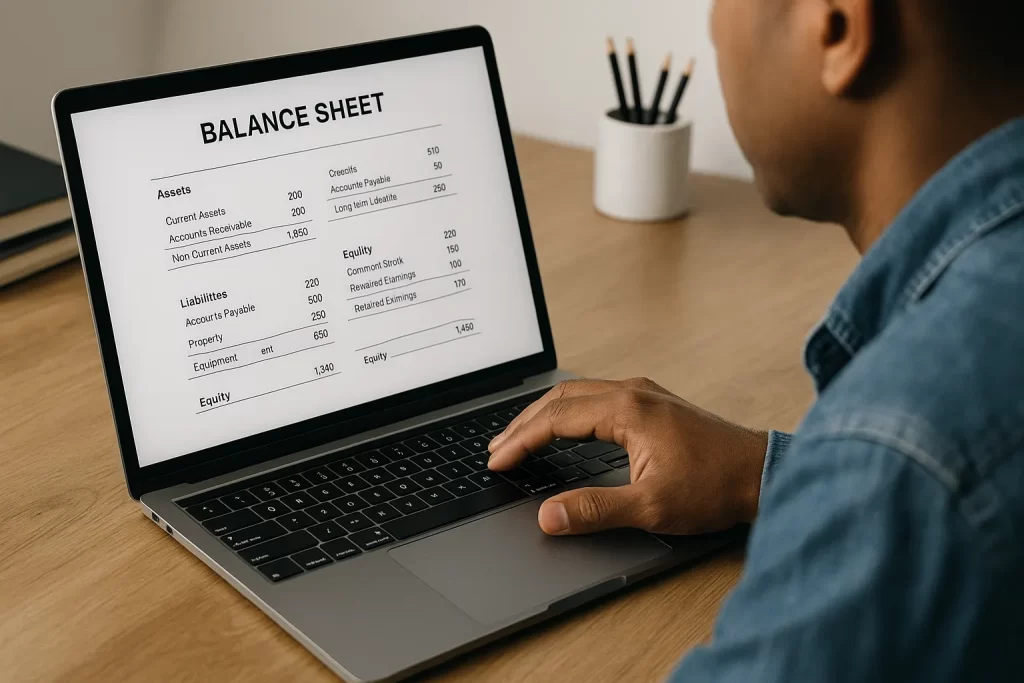
Owner’s equity is the portion of the business that belongs to the owner after every debt has been paid. It includes the money you contributed, the profits the business has kept over time (retained earnings), and reductions for money you have taken out.
The Accounting Equation Behind It
Every balance sheet follows the same formula: assets = liabilities + equity. Rearranged, equity = assets – liabilities. When liabilities outgrow assets, equity drops below zero. Sole proprietors and single-member LLCs may see this section labeled owner’s capital or member’s equity, and the math works the same way.
Common Reasons Owner’s Equity Is Negative
Most negative balances come from one or more of the following situations.
Owner Draws Exceed Profits
Many owners pay themselves through draws or distributions rather than payroll. When the total taken out over the years is larger than the profit the business earned plus the capital the owner put in, equity goes negative. This pattern tends to build slowly, so it often goes unnoticed until a lender or accountant points it out.
Accumulated Losses
Startups and seasonal businesses often operate at a loss for a period. Those losses reduce retained earnings year after year, and a few difficult years can push the balance well below zero even after the company becomes profitable.
Operations Funded With Debt

Loans, credit lines, and business credit cards used to cover payroll or everyday expenses add liabilities without adding lasting assets. The business keeps running, while the balance sheet carries the weight of that borrowing.
Bookkeeping Errors
In some cases the cause is in the records themselves. Personal expenses recorded twice, loan payments booked entirely as expenses, missing asset entries, and unreconciled accounts can all distort equity. Our article on common accounting mistakes small businesses make covers several of these in more detail, and mismatched income records are explained in our piece on what happens if your 1099 income doesn’t match your books.
Why Negative Equity Matters For Taxes And Financing
A negative balance deserves attention for a few practical reasons, even when the business is otherwise healthy.
Basis Limits For Pass-Through Owners
Owners of S corporations and partnerships can generally deduct business losses only up to their basis in the company, and distributions that exceed basis may be taxed as capital gains. Book equity and tax basis are calculated differently, so a negative balance sheet figure is a signal to review basis rather than a final answer. The IRS explains the rules on its S corporation stock and debt basis page. JBS provides tax services to small business owners, and basis tracking is a part of that work.
Lender And Investor Perception
Banks review balance sheets closely when evaluating loan applications. Negative equity can make financing harder to secure or lead to stricter terms. The SBA’s guide to managing business finances is a helpful starting point for owners preparing to apply.
How To Bring Owner’s Equity Back Into Positive Territory
Start by confirming the books are accurate. Reconcile every bank, credit card, and loan account, and review how draws and loan payments have been recorded. Accounting platforms like Xero make this easier by syncing bank feeds and tracking owner draws in dedicated equity accounts, so the balance sheet stays current throughout the year. From there, owners can rebuild equity by keeping more profit in the business, setting distributions based on actual earnings, contributing additional capital, or paying down debt.
A budget and forecast make it easier to set realistic distribution levels, which is where financial planning and analysis becomes valuable.
How JBS Helps Business Owners Understand Their Balance Sheet
Since 2005, our team has helped owners turn confusing financial statements into clear decisions. JBS provides bookkeeping and controllership services to small business owners, keeping records accurate so equity reflects what is really happening in the business. Owners who want a starting point can take our financial assessment for a snapshot of where things stand, or book an appointment to review the balance sheet with our team.
Note: This article is for educational purposes only and does not constitute tax advice. Tax rules, figures, and percentages are subject to change and this article may not be fully up to date; visit IRS.gov for the most current information and consult a tax professional for guidance specific to your situation.